
Tech & Leadership
Is Now a Good Time to Be an EM? I Think So, If You Can Still Build
I frequently go back and forth on whether now is a better time to be an IC or an EM.
The lines have blurred at work lately. I’ve needed to step into the IC role more, shipping code, reviewing PRs, and making technical decisions. Personally, I think it’s healthy to keep my skills sharp, and I’d be shocked if any EM today isn’t doing this right now.
The part I go back and forth on is how my time is spent though. For example, now my time is ultra-divided, and the expectation is to do more, and that isn’t always sustainable.
Camille Fournier wrote a post called The Manager’s Path in the Age of AI. In it, she says that there are always people predicting that management is about to disappear. But really she wants people to focus on the job managers actually have right now. She comes back to three parts of the job, technical skills, signal processing, and people skills, and looks at what AI changes about each.
Her overall point is that if AI gives us time back, that time shouldn’t always go towards doing more and doing it faster.
Keep the Builder
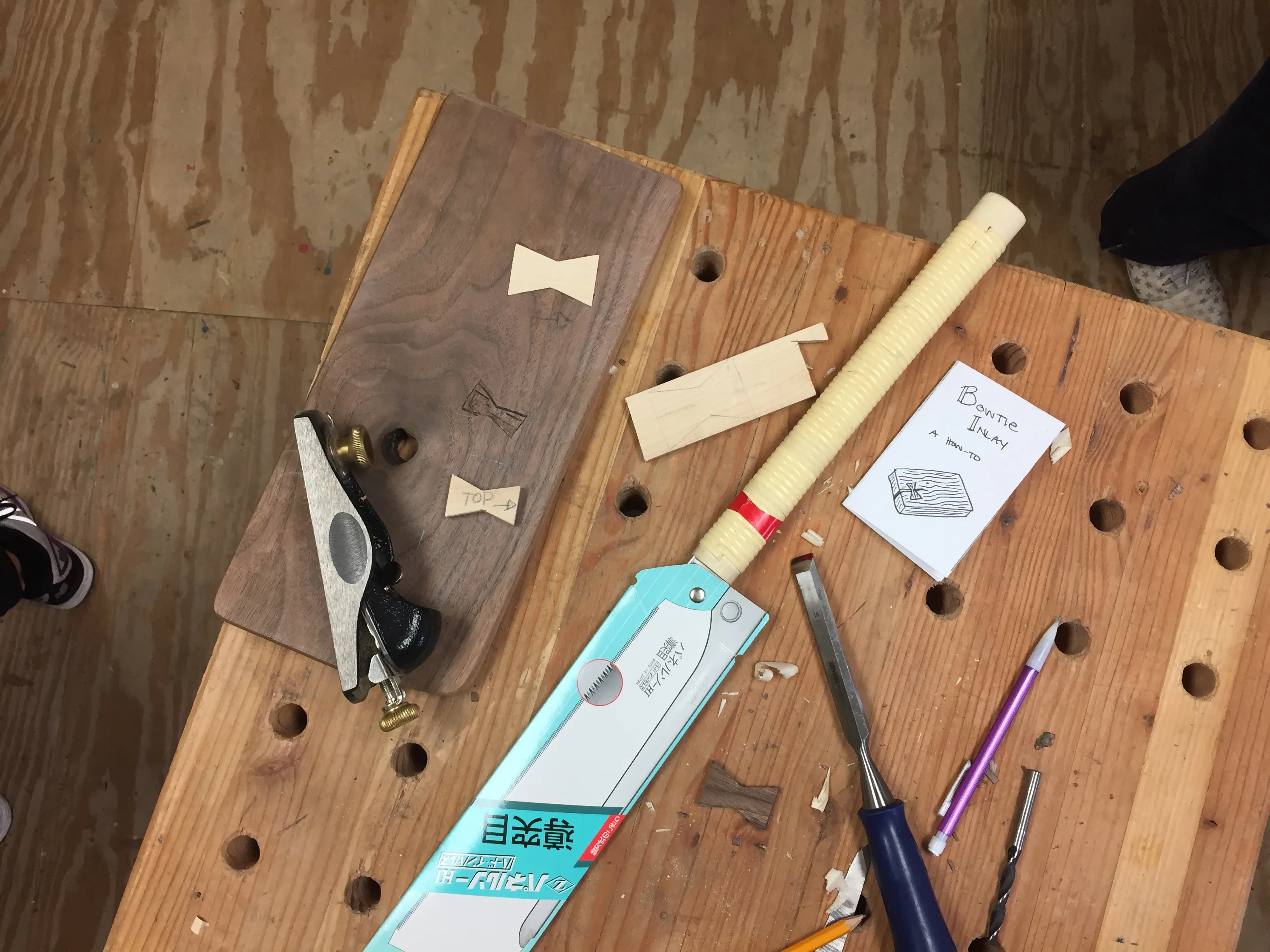
A lot of what we call “management” is in fact a risk management function.
A manager is responsible for getting good work done, on a reasonable timeline, without burning people out. If you’ve never built software, it gets pretty hard to judge how long it should take or whether the result is any good.
This is why I want to keep my builder chops. AI can produce a lot of code quickly, but the result can look finished before anyone has really checked whether it’s secure or something we can maintain. I still need enough technical judgment to tell the difference.
I don’t see that as a reason for EMs to prove their value by writing code, though. Fournier pushes back on that too. Managers contribute in ways that aren’t individual output. And she warns against spending all day trying new AI coding tools or using AI to manage a team.
I want to keep building because it keeps me close to the work, but I don’t want shipping code to just become another expectation on top of everything else.
Doubt the Summary

Seeing someone’s activity isn’t the same as understanding what’s happening.
One of the things Fournier talks about is how managers figure out what’s going on when they don’t have the whole picture.
For example, AI can help me see what someone’s been working on or prepare for a 1:1, but that doesn’t tell me they’re working on that, what they’re worried about, or whether two people came away with alignment. Having more information doesn’t automatically mean I understand what’s going on.
The performance review example is a good one. AI can help remind me of evidence I forgot, which is useful when I’m trying not to over-focus on whatever happened most recently. But, if AI writes the review, it’s shaping my judgment.
Fournier’s question is whether I could defend every word. If I can’t, then I’ve already let the tool do a majority of the thinking for me.
For example, she shared an experience about getting a review from a boss who had basically pasted her self-review back to her. She got a good score, but still lost trust in him - it felt like she hadn’t been worth his time.
A performance review is a management decision, and a machine can’t be held accountable for it.
Stay in the Room

We should be spending some of our productivity gains on things that seem like slowing down: meetings, design reviews, conversations.
Then she gets to people side of things, and the expectations on managers.
Some companies want managers to run much bigger teams because AI is supposed to make everyone more productive. At the same time, managers are expected to write code and help their teams deal with anxiety about AI. Fournier cites a survey where one in three managers are considering going back to an IC role.
She also describes Meta rolling back some management cuts after teams ended up with manager ratios of 40:1 or 50:1 and a lot of bad outcomes. Cutting managers didn’t automatically make things better.
I can see why people would consider it. IC work has a visible output. You ship something, review a change, make a technical call. A lot of the management work is harder to point to. Getting people on the same page, noticing when something is off, making time for a conversation before a small problem gets bigger.
Even if one person can get through what used to take several, the team can still get out of sync. People need time to review decisions, share context, and build trust across teams. And an AI summary simply can’t do all of that for us!
Where I’ve Landed

This will only work if you talk to humans more than you talk to Claude.
So, is now a better time to be an IC or an EM? I still go back and forth, but Fournier gave me a better way to think about the question.
My personal take is that I think it’s a great time to be an EM as long as I keep my builder chops. I want to stay close enough to the work to use my judgment, and still make an impact on the team as a hands-on player coach.
The part I haven’t figured out is how to do that without making the job unsustainable. My time is becoming more divided, and the expectations are increasingly to do more and keep learning at pace of the industry.
The last thing I’ll say is that, I think my time-well-spent in my role is still in adding value in meetings, design reviews, and conversations. Any and all remaining time unlocked from AI-efficiency gains should go to that.
Source: Camille Fournier, “The Manager’s Path in the Age of AI”. Quotes and paraphrases are from her written post, which she describes as not exactly a transcript of the talk.
Image credits: Cover by A S M Jobaer, CC BY-SA 4.0; workbench by Terasaface, CC BY-SA 4.0; window by Acabashi, CC BY-SA 4.0; chairs by Breather, CC0 1.0; trail by Famartin, CC BY-SA 3.0. The cover was cropped square; all images were converted to WebP. Adapted images remain under their source licenses.


